
When it comes to gastronomy, people look for experiences, flavors and, quite often, names worth remembering. And some competitions exist precisely to find them. But when it comes to chefs who are only beginning to define their place in the industry, there is another question worth asking: what kind of cuisine do they want to build? Technique matters, of course. But so do the ideas behind each dish.
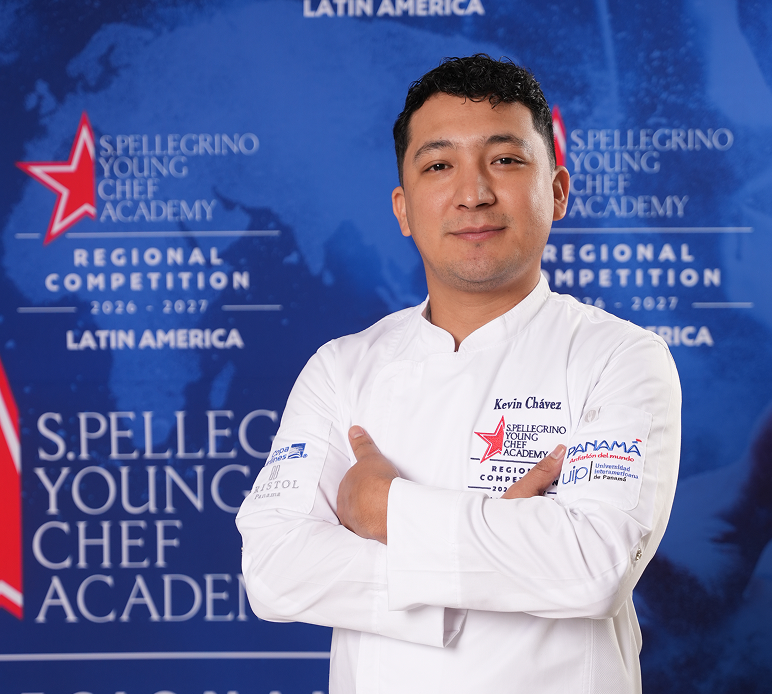
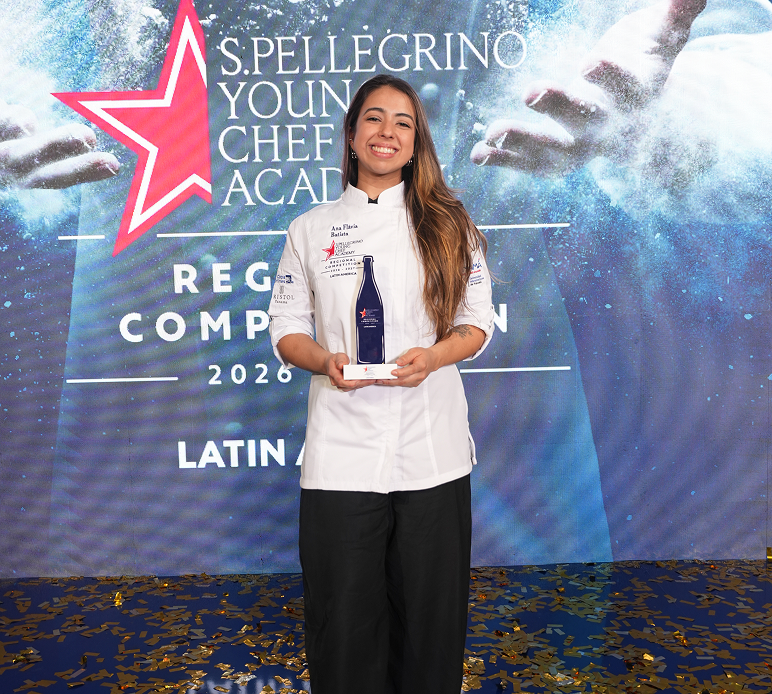
That was precisely what we saw at the 2026 S.Pellegrino Young Chef Academy Latin America & Caribbean Regional Final, which brought 15 young chefs together in Panama. Brazil’s Ana Flávia Batista secured her place at the Grand Finale in Milan. For Mexico, however, the story came with a different recognition: Mexican chef Kevin Chávez Cazarin received the S.Pellegrino Social Responsibility Award, honoring the sustainable practices behind his culinary proposal.
An academy for the next generation
Behind S.Pellegrino Young Chef Academy is a competition, but also an attempt to understand where gastronomy is heading—especially at a time when cooking well no longer seems to be enough. Today, what happens beyond the plate matters too, especially for a new generation finding its own way into the industry. The initiative brings together young chefs from more than 70 countries and, through education and mentorship, gives them the opportunity to connect with leading figures in international gastronomy.
For its 2026 edition, held in Panama in October, S.Pellegrino brought together 15 finalists from across Latin America and the Caribbean, alongside their mentors and a jury representing different parts of the region. Among them were names well known within the industry: Jaime Rodríguez, chef of Celele in Cartagena; Luiz Filipe Souza of Evvai in São Paulo; Jaime Pesaque of Mayta in Lima; and Alejandra Navarro of Botánico in Mexico City.
More than cooking for a place in Milan, each finalist arrived with a different perspective on what the cuisine of our region can represent today. And while a competition inevitably ends with a winner, the S.Pellegrino initiative also says something about what is worth recognizing right now: the future of gastronomy depends not only on who cooks best, but on what they choose to do with everything that reaches their hands.
Today, the stories being told matter too, as does the way a new generation is beginning to understand the industry.
Kevin Chávez and responsibility at the table
For Mexico, that way of thinking about food came from Kevin Chávez Cazarin, chef de cuisine at Chablé Yucatán, a place that is already familiar to Topics That Transform. We had previously explored its more spiritual side—from its temazcal to its relationship with Mayan tradition—but this time, the conversation begins in the kitchen. From the Yucatán jungle to Panama, with the territory still at the heart of it all.
A graduate of Universidad Tecnológica de Chetumal and under the mentorship of chef Alejandro Chávez, Kevin presented Entre el mar y el traspatio, a dish rooted in the culinary richness of the Yucatán Peninsula. Octopus, corn, sweet pepper, xcatic chile, lime, sour orange and aromatic herbs come together in a dish that connects ingredients from the sea with those sourced from the local community. The result took that story one step further: Kevin received the S.Pellegrino Social Responsibility Award, recognizing the sustainable practices behind his proposal.
And this is where it becomes difficult not to feel a little bit of Mexican pride. Talking about sustainability in gastronomy can be easy; making people understand it through a dish is something entirely different. Entre el mar y el traspatio is not only about what grows or is caught in Yucatán, but also about the people who continue to cultivate those ingredients and preserve the traditions around them. In that sense, S.Pellegrino’s recognition points to something so much bigger: the possibility of thinking about Mexican cuisine not only in terms of what we want to preserve, but how we choose to preserve it. And how we care for everything that allows it to reach the plate in the first place.
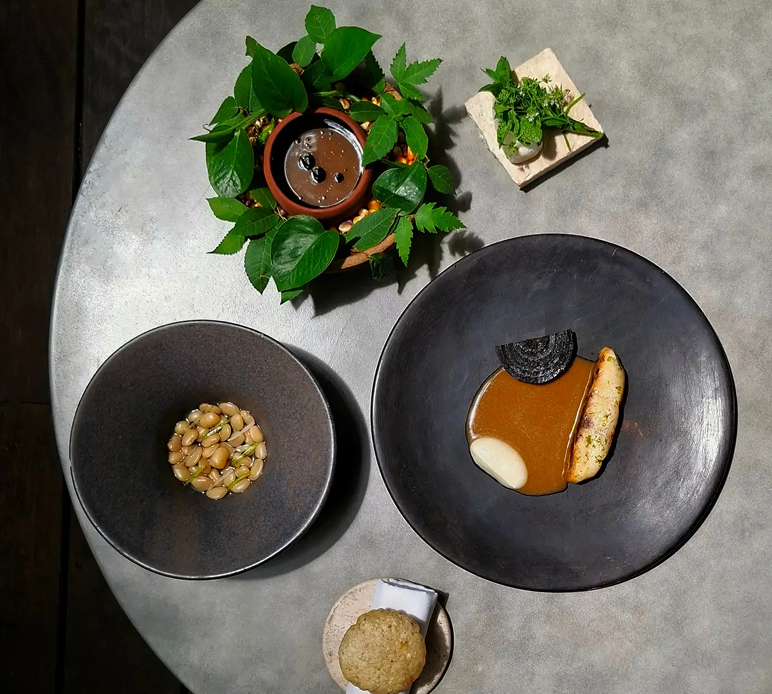
Cuisine has the ability to tell us far more than what happens on a plate. And that is what makes competitions like the S.Pellegrino Young Chef Academy so special.
From Latin America to Milan
The story of this competition, however, is not over yet. Brazil’s Ana Flávia Batista was named the regional winner with Maíz de la abuela. A dish inspired by memories of her childhood and, in particular, the time spent with her grandmother around traditional corn festivals. With chef Luiz Filipe Souza as her mentor, she will continue developing her proposal before representing Latin America and the Caribbean at the S.Pellegrino Young Chef Academy Grand Finale, taking place in Milan in 2027.
Editor’s Insight
Food has a way of telling us far more than what is happening on the plate. And that is what makes competitions like S.Pellegrino Young Chef Academy so special. Personal stories, ingredients that cross borders and all the different ways of reimagining a dish can tell us a lot about how—and where—Latin American gastronomy is headed.
Because it is not always about finding the next great chef. There is a new generation creating its own stories and its own ways of understanding food. One that is still figuring out how to make its mark on the industry. And, in a world where storytelling matters more than ever, perhaps the real privilege is discovering that talent while it is still growing. Paying attention today, and celebrating those who are already beginning to shape what we will eat tomorrow.